A Beginner's Guide to Planting Almonds in the Fall

Almond — a unique tree. It boasts a delicate fragrance, beautiful pink-white blossoms, and...
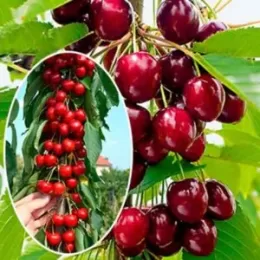
Sylvia is one of the most popular varieties of columnar sweet cherry. It is cultivated not only on an industrial scale but also in private gardens. This article covers the positive and negative characteristics of the variety, growing requirements, and care nuances.
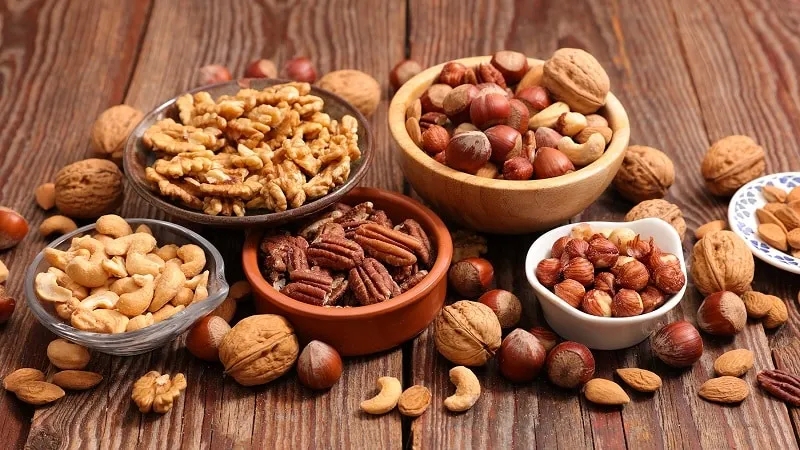
Nuts are often considered high in calories and therefore undesirable in a weight-loss diet. However, this is a misconception—when consumed in moderation, certain nuts can actually accelerate weight loss while providing essential vitamins and minerals. Following simple guidelines for nut consumption can benefit anyone on a diet.

The Australian macadamia nut is one of the most expensive foods in the world. Once only available in its homeland, these "royal nuts" are now imported to Europe. Most often, they are sold in their shells, which account for up to 50% of the total weight. This isn’t done for profit — the shell protects the kernels from oxidation, extends shelf life, and enhances flavor.
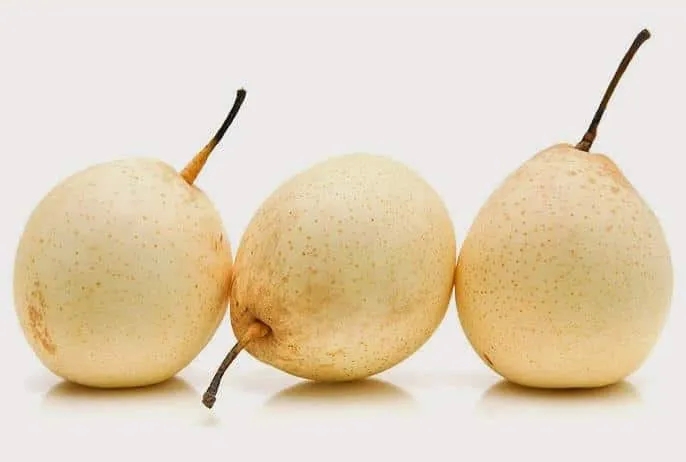
The ancestors of the Asian pear (Taiwanese, Japanese, sand pear) are the yamanashi trees. Once, Chinese agronomists crossed a pear and an apple to create a juicy, not sour, and not overly sweet fruit. From this article, you will learn about the characteristics of the fruit, its benefits and drawbacks, how many calories it contains, and how to store it properly.
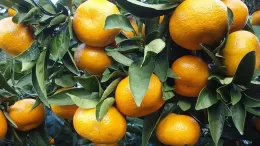
Tangerines are popular among citrus growers because they look attractive all year round. This evergreen plant, with proper care, blooms and bears fruit even indoors.

The ideal time to plant garden crops is early spring or mid-autumn. However, some gardeners choose the height of summer — July — for this task. The warm weather attracts them, as the risk of seedlings freezing is close to zero. Cherries are particularly popular for July planting: this juicy and sweet berry is a favourite of many. Let’s explore how to plant cherry seedlings in July and what recommendations to follow.

The word "lemon" refers to both lemon trees and their fruits. This member of the Citrus family originates from India. Bright yellow fruits with sour pulp are valued worldwide for their high content of vitamin C, essential oils, potassium, calcium, and magnesium. The distinctive citrus aroma and taste come from D-limonene. In this article, we’ll explore everything about lemons: their origin, distribution, botanical features, and chemical composition.

Plant enthusiasts grow lemon trees not in gardens but at home — in pots. These conditions are best suited for the delicate exotic tree, as it's easier to provide proper care indoors. One of the key factors for a healthy and beautiful plant is balanced, nutrient-rich soil. Let’s explore what kind of soil is best for growing lemons at home and how to prepare it.
Almond — a unique tree. It boasts a delicate fragrance, beautiful pink-white blossoms, and...
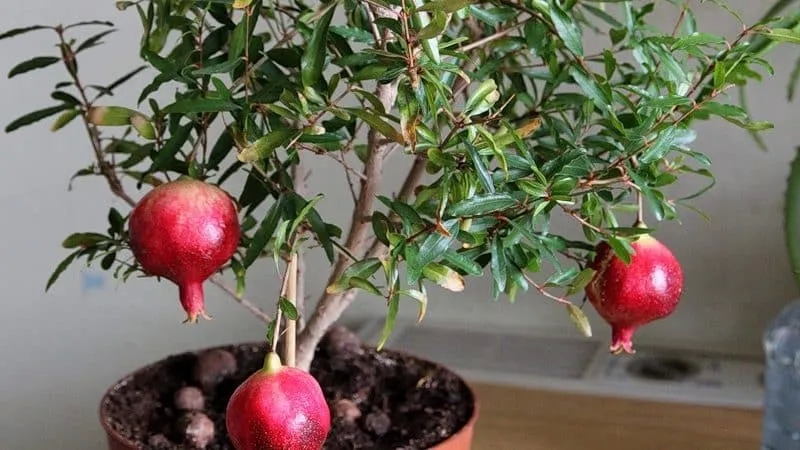
The blooming pomegranate is a sight to behold: against a backdrop of bright lime-green, lacy...

The sawfly — the most destructive insect — can reduce the yield of gooseberries and currants by up...

Spring — the most favourable time for garden work. During this period, fruit tree grafting begins....
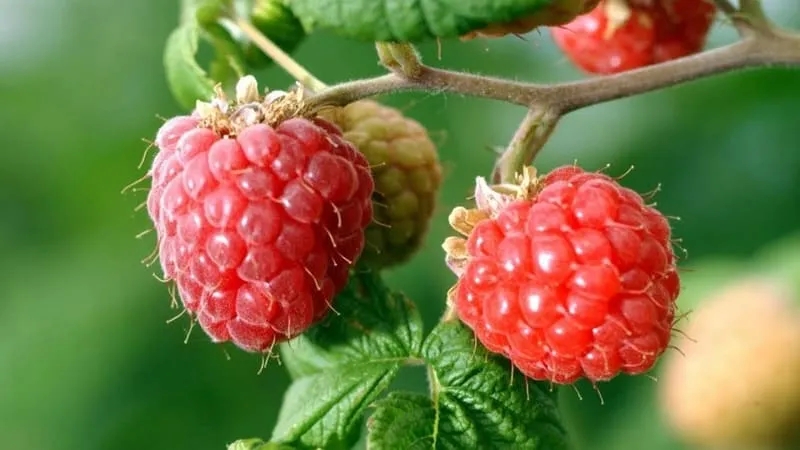
Raspberries are grown across Europe: from the sunny Mediterranean to the cool climates of...
The word "lemon" refers to both lemon trees and their fruits. This member of the Citrus family...

Freshly squeezed orange juice boasts outstanding taste, dietary, and health benefits. Its...

Grapes are beneficial for pregnant women due to their rich complex of vitamins and minerals. There is...